Origins
The Maccabean Revolt and the miracle of the oil
In the 2nd century BCE, Judea was ruled by the Greek-Syrian Seleucid dynasty. King Antiochus IV Epiphanes outlawed Judaism and defiled the Temple in Jerusalem. The response was a revolt that changed history.
The Hellenisation of the Near East threatened the very survival of the Jewish faith. Antiochus IV made Torah observance a crime and set up a pagan altar in the Temple. For many it was a choice between life and loyalty to tradition.
The revolt begun by the Hasmonean family in the town of Modiin defeated a mighty empire against all odds. The liberation and purification of the Temple became a symbol of spiritual resilience remembered for over two thousand years.
167 BCE
Antiochus IV bans Torah observance, circumcision and the Sabbath, sets up idols in the Temple and offers unclean sacrifices.
167–166 BCE
In the town of Modiin, the priest Mattathias the Hasmonean and his sons rise up. The revolt is led by his son, Judah Maccabee (“the Hammer”).
164 BCE
The rebels liberate Jerusalem and cleanse the Temple of its pagan altars.
25 Kislev
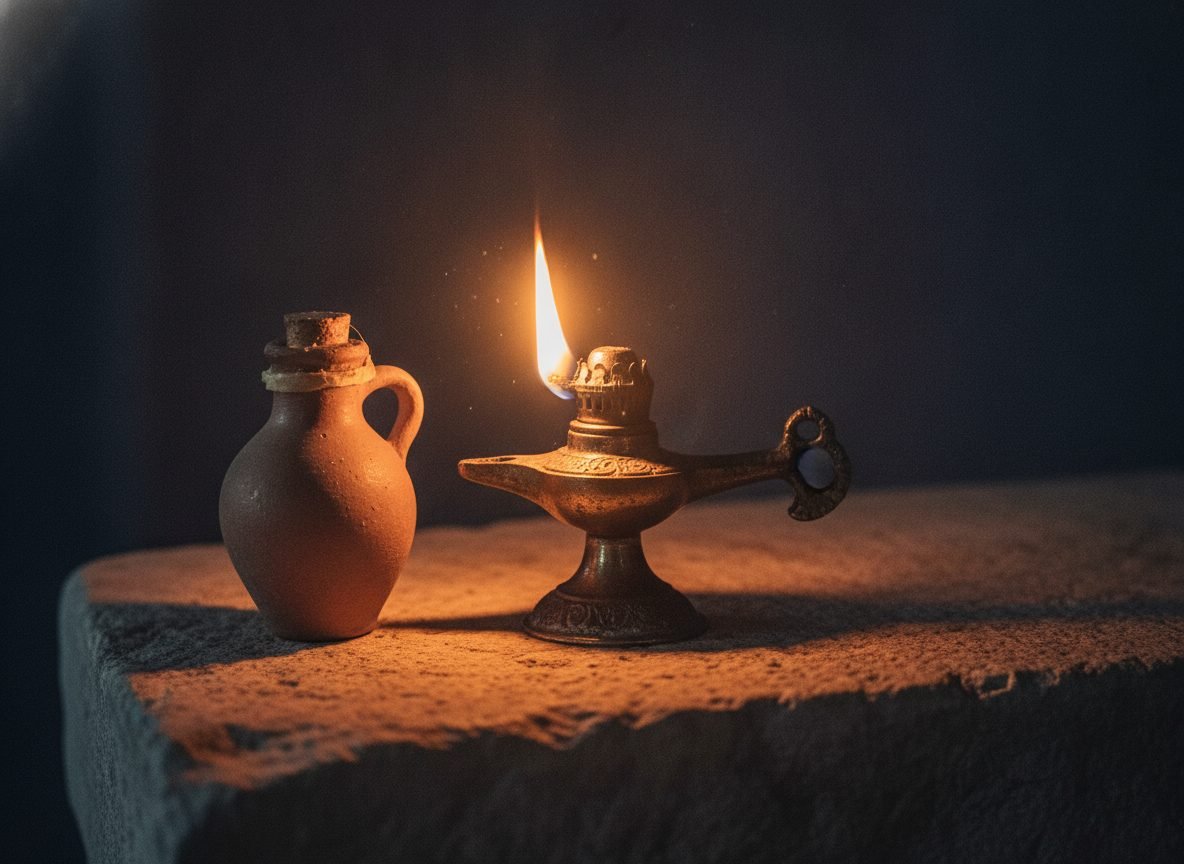
The Temple is rededicated and the Menorah lit. By tradition, a single cruse of pure oil lasted eight days. Hanukkah was established in memory of this.
“For the miracles, the redemption, the mighty deeds and the deliverance — in those days, at this time.” — from the Al HaNisim prayer