About
Eight days of light
Hanukkah (Hebrew חֲנֻכָּה, “dedication”) is a Jewish festival observed for eight days beginning on the 25th of Kislev (usually late November to December). It is a holiday of joy, miracle and spiritual freedom.
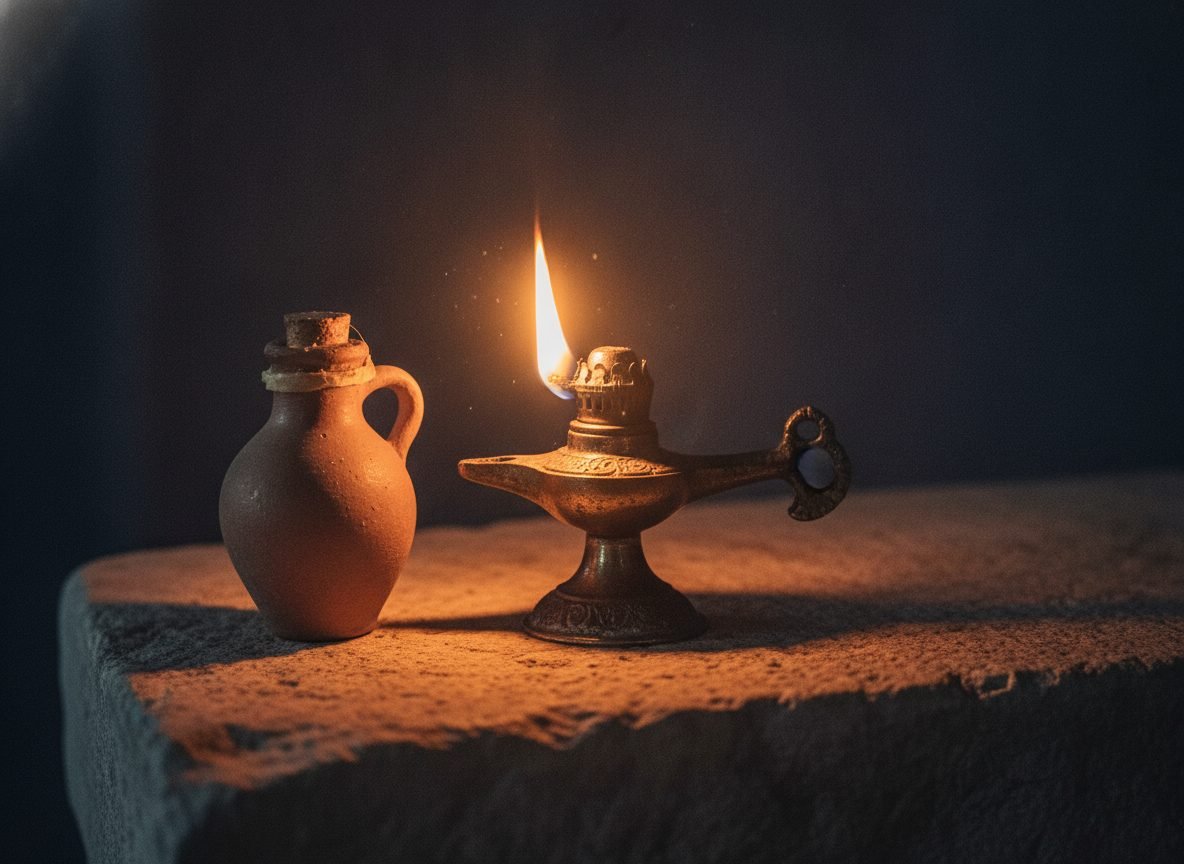
Hanukkah commemorates the rededication of the Second Temple in Jerusalem after the Maccabees' victory over the Seleucid Empire in the 2nd century BCE. It is not a Torah festival but one established by the sages, so work is permitted on these days.
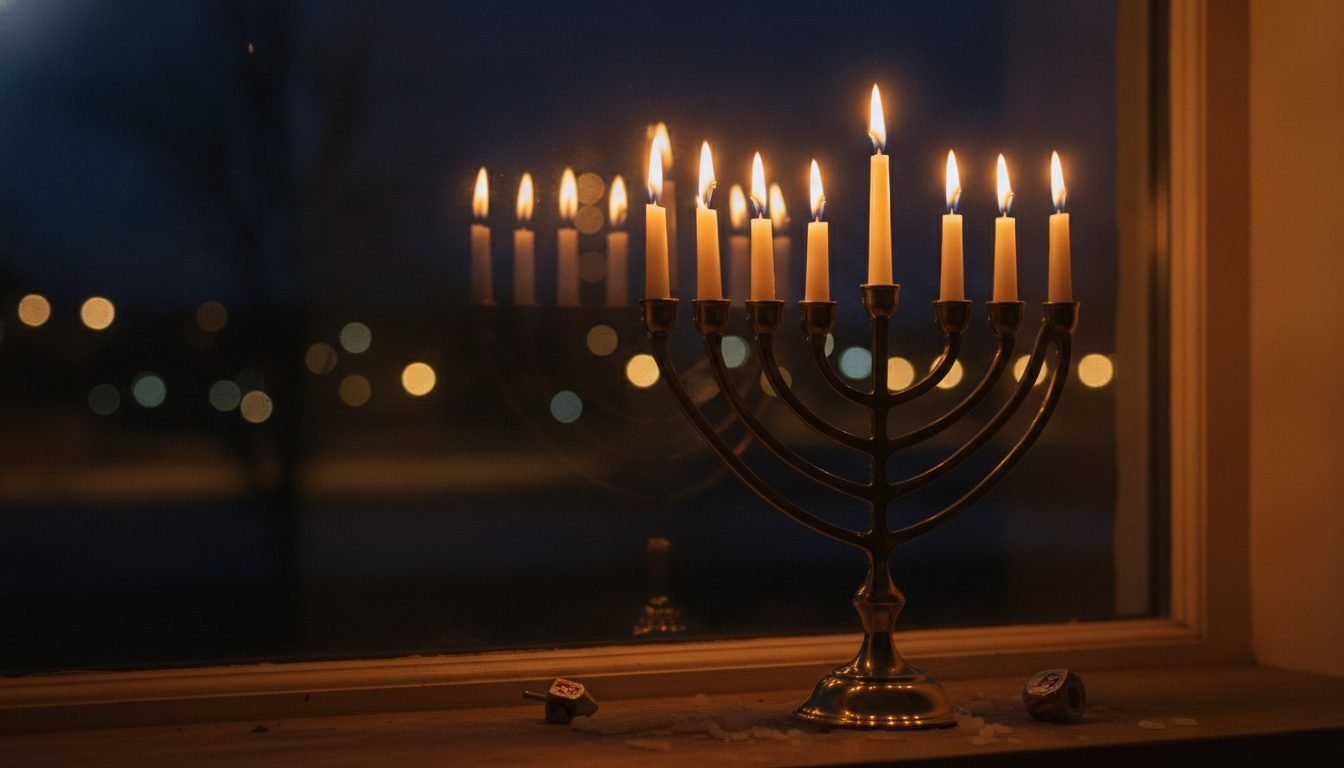
The central mitzvah of Hanukkah is lighting the lamps and publicising the miracle. Each evening one more light is kindled — until, on the eighth night, every flame is burning.
In Azerbaijan
Hanukkah in Azerbaijan
Azerbaijan is home to one of the world's oldest Jewish communities and a long tradition of interfaith tolerance. Hanukkah is celebrated here by the Jewish communities of Baku and Quba: lights are kindled in the synagogues, families gather, and children's festivities are held.
A special place belongs to Krasnaya Sloboda (Qırmızı Qəsəbə) near Quba — one of the few places in the world where Mountain Jews live compactly. There, as in Baku, the eight evenings of Hanukkah fill with the light of the hanukkiah, festive foods and ancient Juhuri melodies.
Sections
Explore further
Three stories of the festival — how it began, how it is celebrated, and what is served at the table.
When
Dates and duration
Hanukkah always begins on the evening of 25 Kislev and lasts eight days. In the Gregorian calendar the dates shift each year — usually late November or December.